Hacks for First Impressions You Definitely Want to Remember
When was the last time you wanted to create a powerful impression in front of your client or your senior or even your team members? Can you think of an instance where you almost made or failed to make a great first impression? Do you wish to improve your first impression that people make of you? Why do you think first impressions matter? Does it create any impact?
Yes, first impressions do matter as people will remember you on the basis of the kind of first impression they form of you.
Whether it is an interview, meeting your new boss, joining a new workplace or meeting a client for the first time, people start forming an opinion about you even before you have had the opportunity to explain yourself.
This is where body language and non-verbal communication play an important role. Your dressing, posture, facial expressions, eye contact, gestures and even the way you greet someone can influence the kind of impression you create.
Do read further to start creating an everlasting impression right away.
1. Choice of dressing
An essential of forming a first impression is your dressing. The attire you wear can itself help people form a first impression the way you want to. Have you observed people tweaking their dressing to form a first impression? Normally whenever we think of Mark Zuckerberg, we remember him wearing his favourite attire. But do you know there are times when he has also tweaked his dressing style depending on the occasion and the people he was meeting?

Photo by Anthony Quintano via Wikimedia Commons (CC BY 2.0)
But do you know there are times where he has also tweaked his dressing style depending on the occasion and the people he was meeting?
Why do we need to tweak your dressing? How does it help? Does it help? Tweaking your dressing helps you to connect with people easily. Also, rapport gets established more easily and quickly when the other person feels that you have understood the environment or occasion.
Imagine you are going for a job interview in a very formal organisation. Would you dress in exactly the same way as you would for a casual networking event? Similarly, if you are meeting a client for the first time, your dressing can communicate how seriously you are taking the meeting. This does not mean that you need to completely change your personal style every time you meet someone. It means understanding the situation and making small adjustments.
The same applies when you join a new organisation. When you are trying to make a great first impression at a new job, observing how people dress can help you understand the culture of the workplace. If everyone follows a formal dress code, arriving in extremely casual clothes may create a very different impression from the one you intended.
So next time remember whether you are going for an interview, joining a new job or going to meet your client, to tweak your dressing accordingly.
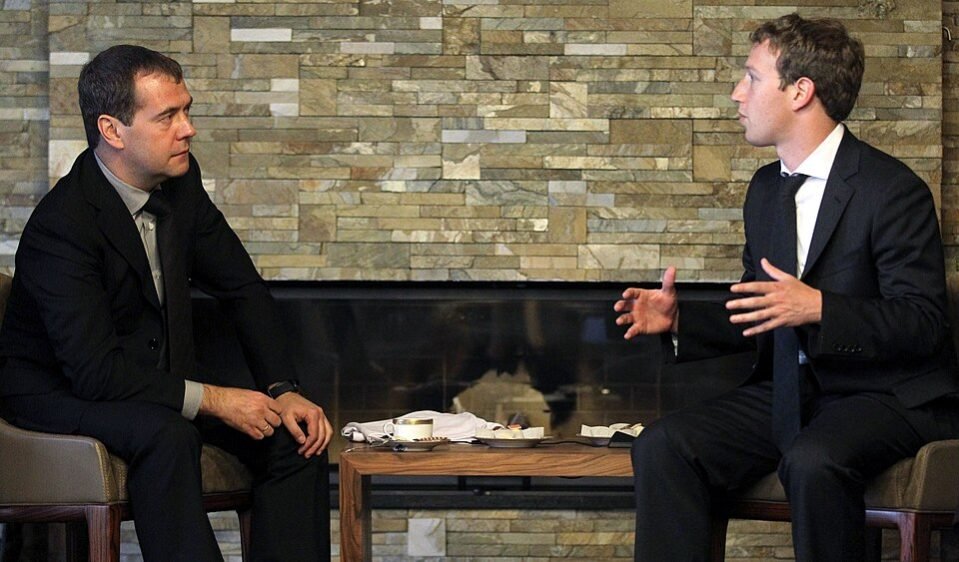
Photo by premier.gov.ru via Wikimedia Commons (CC BY 4.0)
2. The Accessories
Have you ever noticed someone’s watch, spectacles, bag or even the kind of pen they carry? Accessories can become a part of your overall appearance and therefore contribute to the impression that you create.
But accessories are not only about what you are wearing. There is another important aspect of first impressions – observing the other person. The client also gives you reactions when they are listening to and responding either verbally or through their body language. This will help you to know when the client was listening. Also, what feature or product the client is more interested in than others. They may be giving you verbal reactions or nods to show they are listening to you. More importantly, what are they thinking or feeling at that particular time which are crucial tells. Observing them and responding actively is essential for you.
Imagine you are presenting three different features of your product to a client. While discussing the first feature, the client is sitting upright, looking at you and nodding occasionally. When you move to the second feature, they start asking questions and leaning slightly forward.
What does that tell you? It may indicate that the second feature has caught their attention. Instead of continuing with the same presentation without noticing their response, you can pause and explore what interests them.
This is one of the reasons why body language is important in creating a good first impression. It is not only about controlling your own body language. It is also about observing the other person’s body language and responding appropriately.
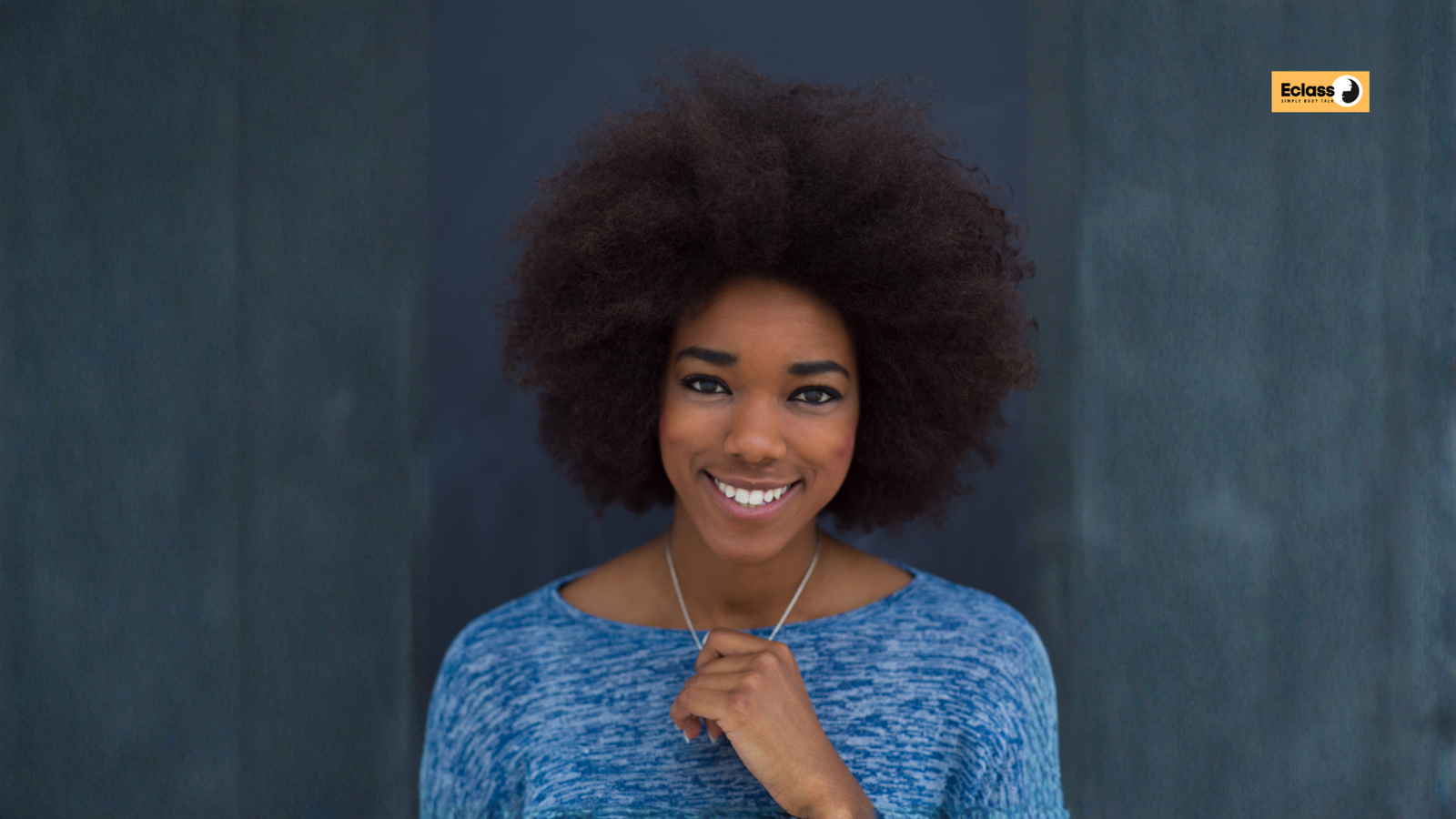
Observe the image below. What do you think she is trying to tell by her body language. Is she listening to you or not? Should you continue speaking or let her speak? These are the kinds of questions you should start asking yourself when you observe body language.
3. Greeting Essentials
We all do some form or the other form of greeting when we meet someone. But do you know the kind of greeting you do can help in a big time to form a great first impression? How so? When you are doing a handshake giving a firm handshake is very essential. Another important part of the greeting is maintaining effective eye contact and giving the person a warm smile.
Think about meeting someone for the first time. You walk towards them, extend your hand, look away while greeting them and give them a very weak handshake. Now compare this with walking towards the same person, smiling naturally, making comfortable eye contact, greeting them clearly and giving them an appropriate handshake.
The words may be exactly the same. But does the experience feel the same? Probably not. This becomes particularly important when you are meeting someone professionally for the first time. For example, during a job interview, your first impression does not begin with the first interview question. It may begin when you enter the room and greet the interviewer.
The same applies when you meet a new boss. You may be wondering how to make a good first impression with a new boss. You don’t necessarily have to say something impressive. A confident greeting, comfortable eye contact, attentive listening and an open posture can already help you create a positive beginning.
Even when you are introducing yourself to a new colleague, your greeting can make it easier for the other person to start a conversation with you.
So next time you meet someone, don’t just think about what you are going to say. Think about how you are going to say it and what your body language is communicating while you say it.

4. Know your style
Whenever you think of the Queen what is clearly remembered is how she used to match her outfit. This was her signature style that she used to create her first impression over the years.
Do you know even you can form a great impression without saying anything? The way you form a first impression may vary depending on your personality, style or the kind of first impression you want to form. So, this may vary. Depending on your attire, greeting or your posture or even your walking style.
Have you noticed how some people appear confident even before they start speaking? It could be because of the way they walk into a room. It could be their posture. It could be the way they look around and acknowledge people.
Now think about someone who enters a room looking down, walking very quickly, avoiding eye contact and immediately looking for their phone. Would the two people create exactly the same first impression? Probably not.
This is why knowing your own style is important. You don’t have to copy someone else’s body language to create a good first impression. What works for one person may not work for another.
Instead, understand what your natural communication style is and then identify what you may want to improve. For example, if you naturally speak softly, you don’t necessarily need to become extremely loud. You may simply need to work on your posture, eye contact and the clarity of your speech. If you tend to keep your hands hidden while speaking, you can gradually become more comfortable using natural gestures. If you happen to look nervous during introductions, you can practise your greeting and introduction beforehand.
These small changes can make your communication more effective without making you feel that you are pretending to be someone else.

5. Managing impressions
One of the reasons why first impressions matter is that they help people to trust you. This helps in building effective rapport. But do you know there would be times when we form first impressions which may or not be accurate? How to avoid this and still form good first impressions. Try and observe carefully and not misjudge any information. Observe very carefully and objectively before forming a first impression.
This is especially important when you are meeting someone for the first time. For example, imagine that during your first meeting with a colleague, they don’t maintain much eye contact with you. You may immediately think that the person is not interested in speaking to you.
But is that necessarily true? Maybe they are nervous. Maybe they are uncomfortable in new social situations. Maybe they are concentrating on what you are saying. Maybe their cultural background has different expectations around eye contact.
This is why we should not interpret one body language signal in isolation. The same applies to a client. If a client crosses their arms while you are speaking, does it automatically mean they disagree with you? Not necessarily.
You need to observe what happens next. Are they still listening? Are they asking questions? Are they nodding? Are they leaning forward? Are they giving you verbal responses? The more you observe, the better you become at understanding the situation.
Want to Get Better at Creating First Impressions?
Understanding the basics of body language is a good starting point, but knowing what to do and being able to actually use it in real situations are two different things.
This is where a structured course can help.
Our Master Your First Impressions course takes you through the different elements that contribute to the impression you create – from the impact of your dressing, to your posture, facial expressions and eye contact to your gestures, appearance and overall presence. Instead of simply giving you a list of dos and don’ts, the course helps you understand why these behaviours matter and when you may need to adapt them.
The advantage of learning this through a self-paced online course is that you don’t have to fit your learning around a fixed classroom schedule. You can go through the lessons at your own pace, revisit concepts that you find more difficult and practise the techniques in situations that are relevant to you.
For example, if you are preparing for a job interview, you can focus on how your body language contributes to your interview presence. If you have recently joined a new organisation, you can apply the techniques while interacting with colleagues and your new boss. If you regularly meet clients or attend virtual meetings, you can practise adapting your body language to those situations.
You can learn, pause, observe yourself, practise and come back to the lesson whenever you need to.
Most importantly, the course is designed to help you become more aware of your own non-verbal communication. The goal isn’t to make you behave in a way that feels artificial or to memorise what every gesture means. It is to help you understand the signals you are sending so that your body language supports the impression you want to create.
So, if you want to become more confident about the way you present yourself — whether it is during an interview, when starting a new job, meeting a new boss, introducing yourself to someone or making a virtual first impression — Master Your First Impressions can help you build that awareness step by step, in your own time.
Because a great first impression isn’t about trying to impress everyone. It is about making sure that the way you communicate reflects the best of what you have to offer.