


Body Language Analysis in “Citizen Kane”-by Orson Welles: A classic Film
INTRODUCTION:
What makes this movie such a classic? A protagonist that eventually becomes the villain. It reminds me of the quote “You either die a hero or live long enough to see yourself become the villain”. The story revolves around the theme of loss of childhood and innocence. What corrupts a man, is it the worldly pleasures that money offers or is it their mindset? Charles Foster Kane, who came from a modest lifestyle, was made to give it up and separated from his parents. All that was given to him was an incredible amount of wealth and loneliness. He was made to leave and grew up in incredible wealth, with that came the opportunity to set up multiple newspaper companies and start collecting artefacts. This would eventually lead to him being considered a hoarder. The movie ends with his sleigh being burnt, the word ‘rosebud’ being embellished on it, signifying the loss of his entire childhood and the life he could have led.
Here, we’ll be looking at Charles Kane’s body language in certain scenes. Let’s go about this chronologically. It is important to note that Kane is a right-handed individual.
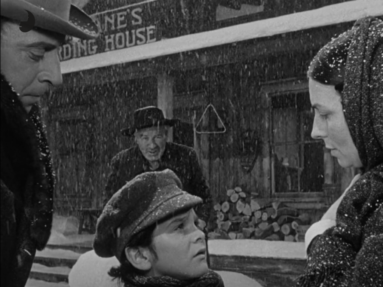
Scene 1
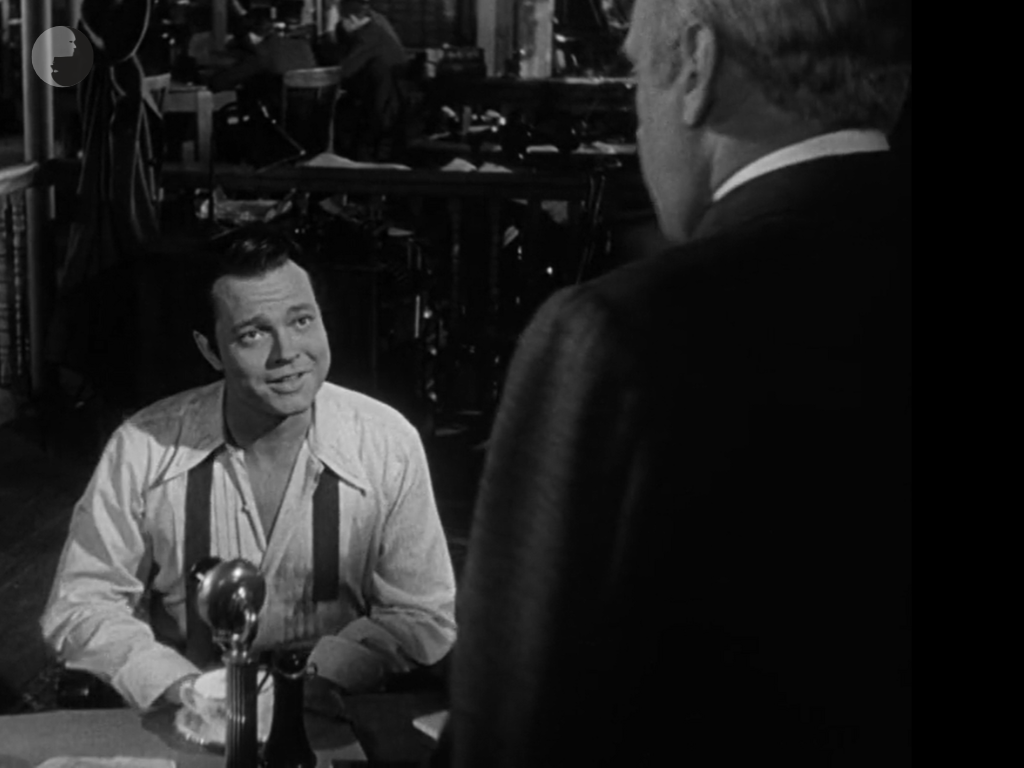
Let’s start with when Charles is in the prime of his youth and has just started with his newspaper company, The Inquirer. His accountant Mr Thatcher criticizes him and shouts but Charles responds calmly with a witty remark and a snarky smile. He seems to understand what Mr. Thatcher is going to say and responds quickly. He raises his eyebrows and smiles every time he makes a witty remark. Throughout the conversation eye contact is maintained and even when something negative is said, it is said confidently. Later on in this conversation, Charles and Thatcher have an argument (Image 1). Charles grasps his matchbox moving into a position where his thumbs can’t be seen.
Image 1
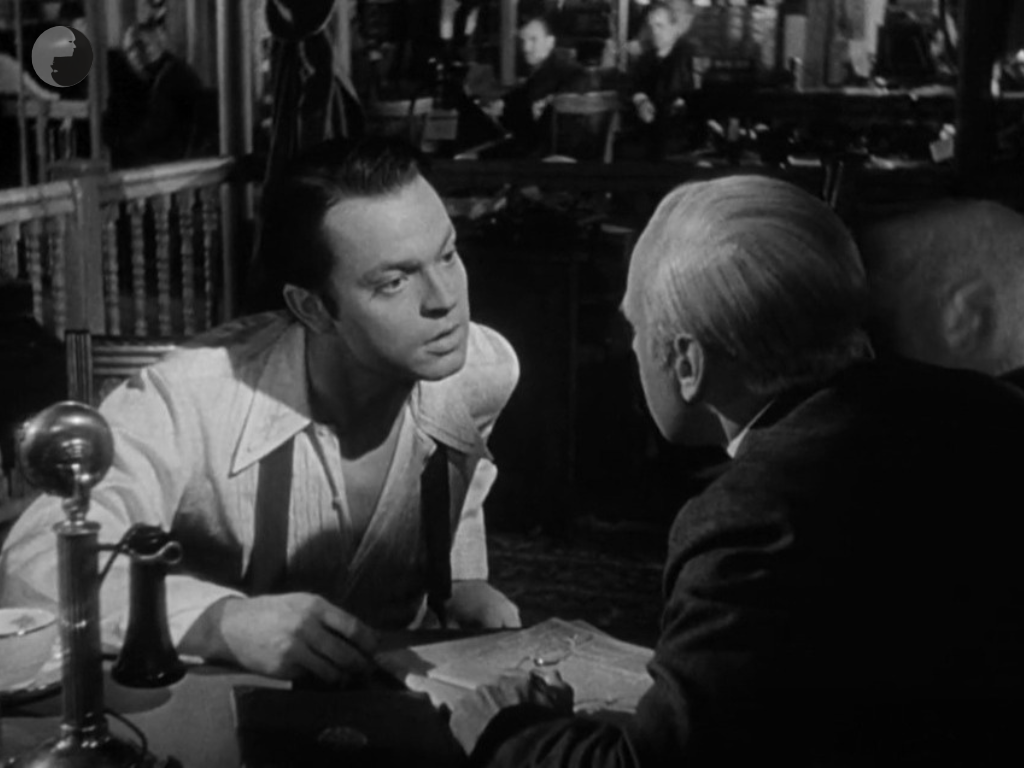
Image 2
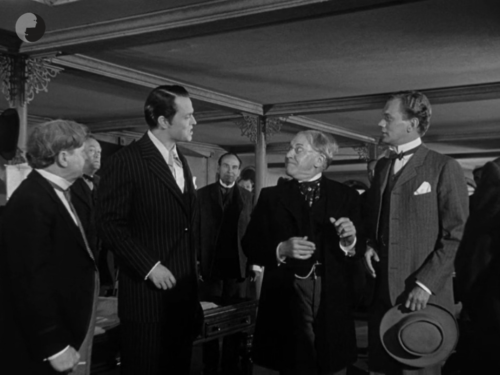
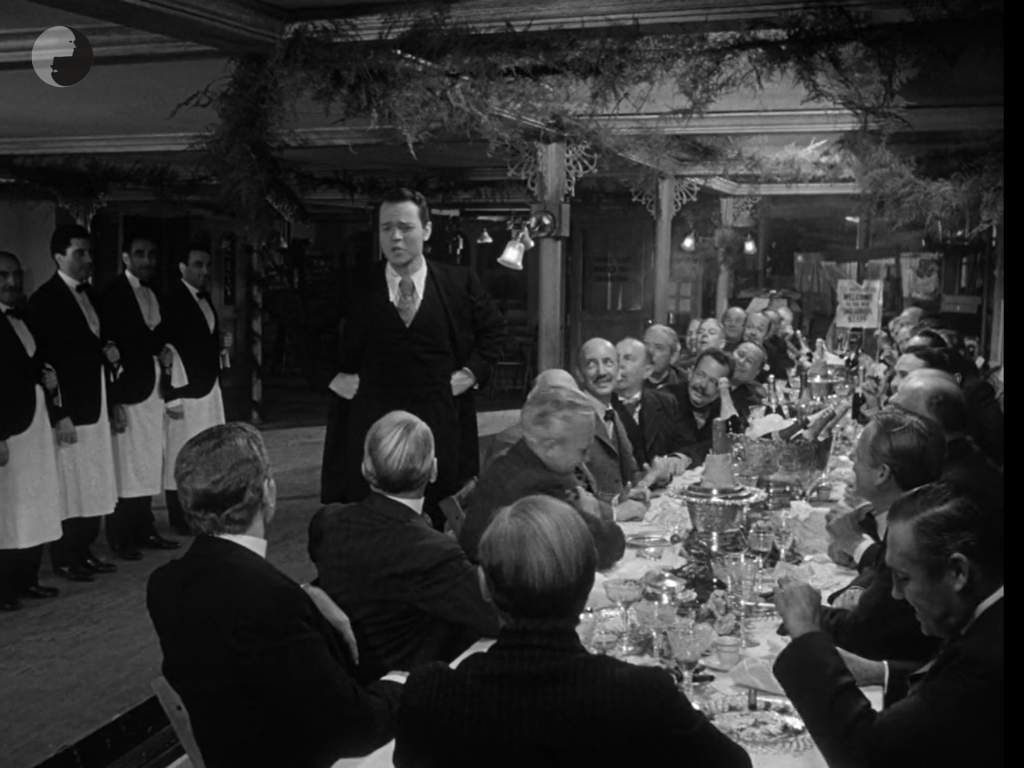
His hands cover the matchbox, left fingers are over the right. The disappearance of thumbs signifies negative emotions. You can see Charles trying to dominate him by standing up when Thatcher stands up, opposing his stature. Throughout the film, you can see Charles towering over other people physically (Image 2). This was one of the ideas Welles had in his mind when he directed this film.
Bollywood Example: In the Bollywood movie “Devdas,” the protagonist Devdas responds calmly and confidently to criticism, employing witty comebacks and maintaining eye contact, similar to Charles Kane.
Scene 2
Charles keeps his hands to his waist in many of the scenes, when he wants to dominate or when he wants attention. The thumbs are inwards, it could be considered as the ‘arms akimbo’ position with a slight change. An easy way to recognize this position is when the thumb points towards the back. This position is considered to be dominating and makes a good impression.
Bollywood Example: In the Bollywood movie “Dilwale Dulhania Le Jayenge,” the character Raj, played by Shah Rukh Khan, adopts a similar dominant body language, placing his hands on his waist to assert his authority and draw attention.
Scene 3
Image 3
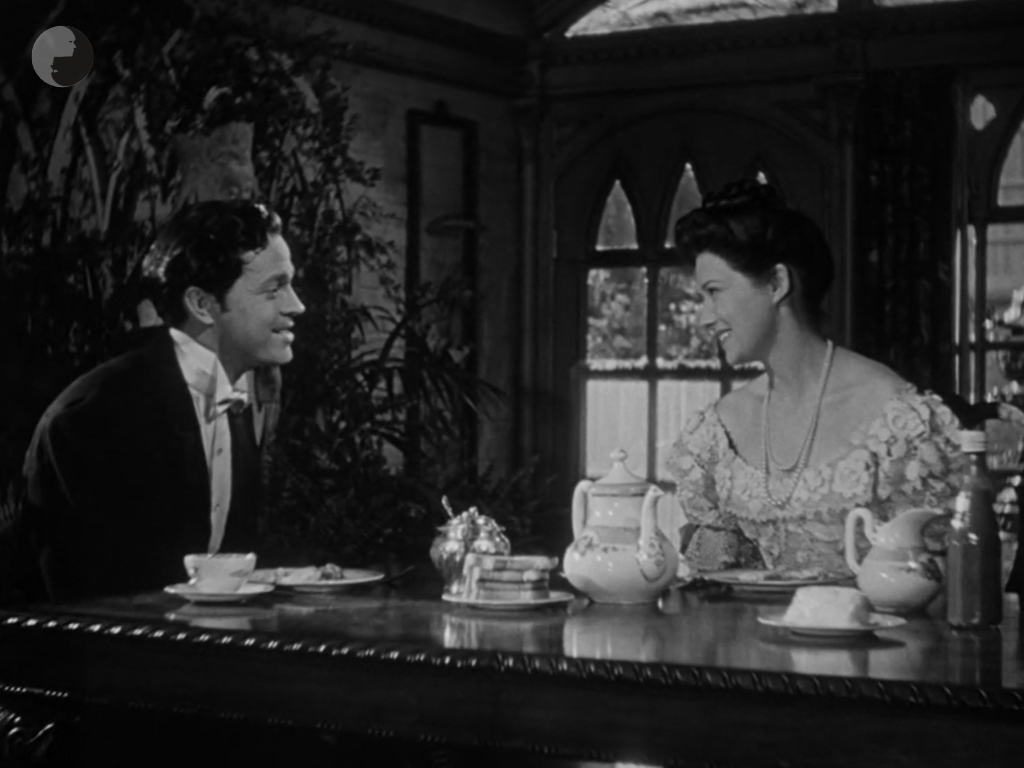
Image 4
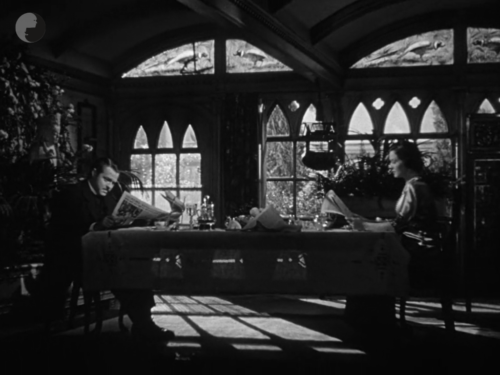
Let’s look at his marriage and the path it’s leading. When they started out, he expressed his love through touch (Image 3) and verbally. They’re both leaning towards each other, and have the same body language. This is called isopraxis or mirroring, where their actions are imitations of the other. The picture on the right shows the sour bit of the relationship. As time has passed, both have grown distant from each other. They seem to lead their own individual lives and maintain this growing distance.
Bollywood Example: The Bollywood movie “Kabhi Alvida Naa Kehna” explores a similar marital dynamic, where the initial closeness between the characters evolves into emotional distance over time, manifesting through their body language.
Scene 4
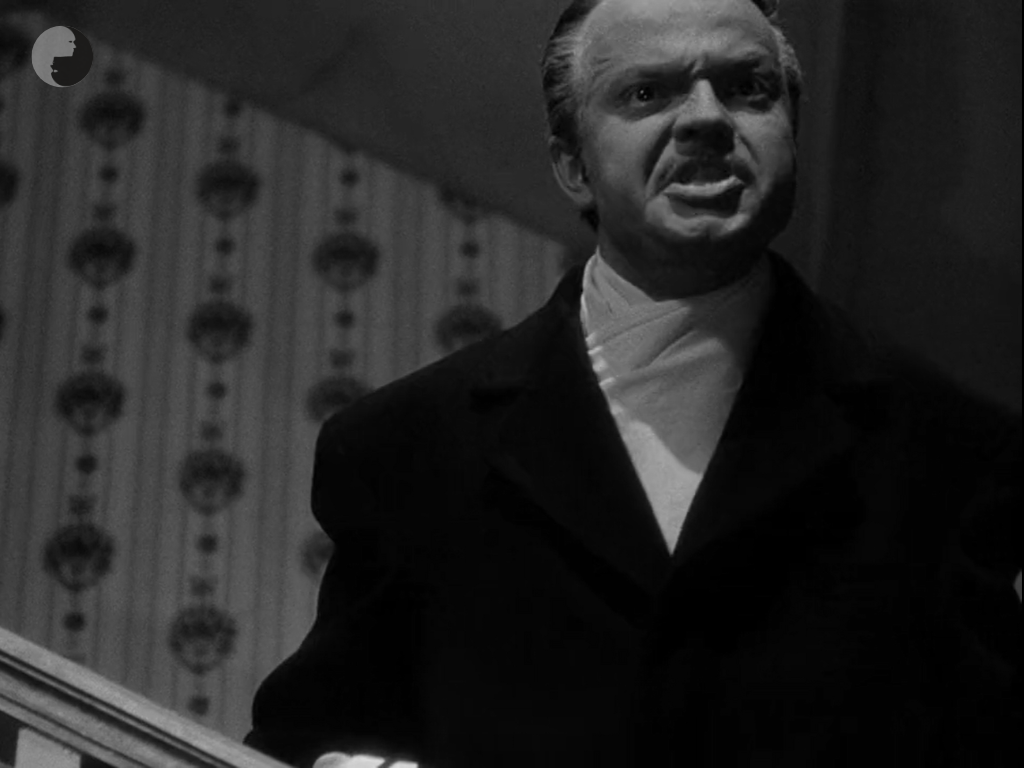
Charles when threatened by Gettys to keep away from the election or else he would expose his extra-marital affair. Charles reacts impulsively and the rage can be seen on his face. His eyes are large and his forehead is furrowed. Charles understands that he has nothing that can help him in this situation so he shouts by trying to make an impact but it works to no avail.
Bollywood Example: In the Bollywood film “Baazigar,” the protagonist reacts similarly to threats, displaying anger and attempting to intimidate his adversaries when cornered.
Scene 5
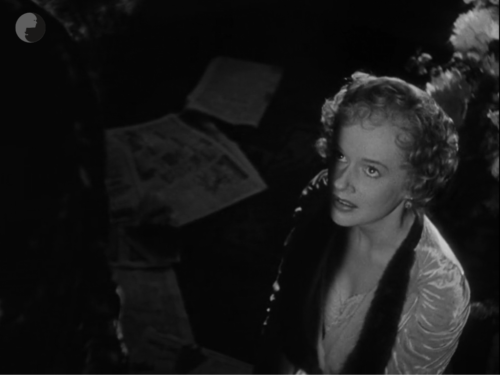
These are the 2 times he tries to intimidate his 2nd wife Susan Alexander, she cowers and keeps quiet in his shadow as you can see in the picture to the left. The picture to the right however shows an incredible difference. Susan stands up to him, she remains in the same position, maintaining her ground. Despite being slapped, she continues to stand her ground and shows no change in feelings.
Bollywood Example: In the Bollywood movie “Dil Se,” there is a scene where the female protagonist stands up to the male lead, refusing to be intimidated despite his attempts, similar to Susan’s defiance in “Citizen Kane.”
CONCLUSION
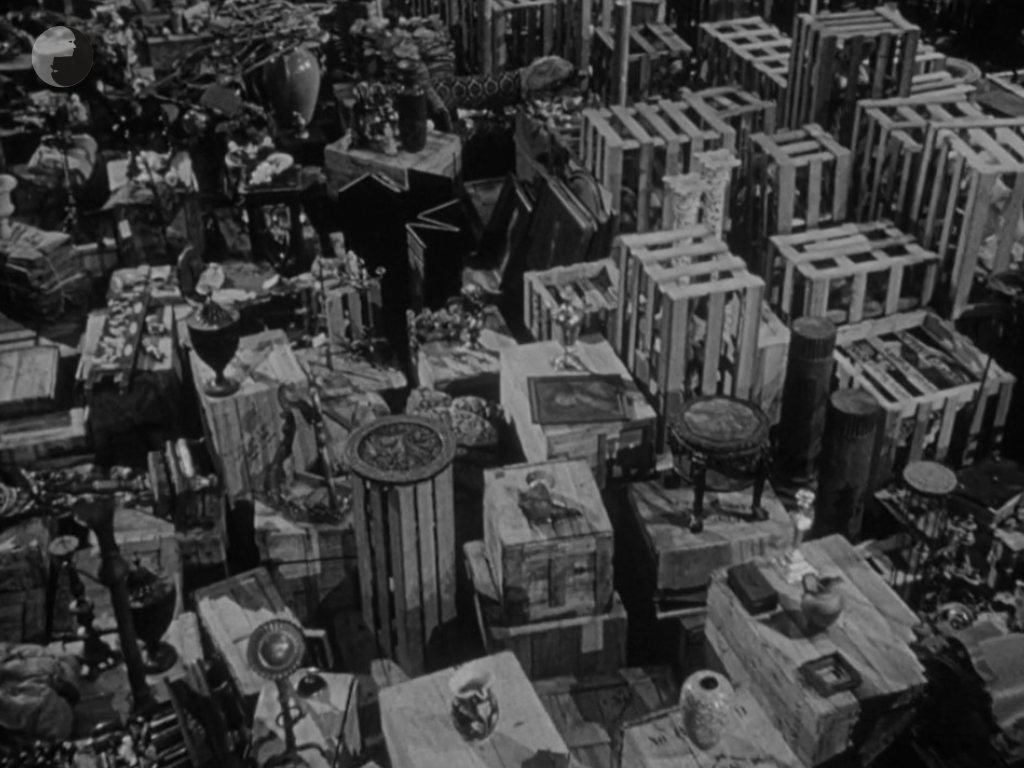
Overall, Charles Foster Kane, a charismatic yet destructive person, has an inferiority complex. He makes up for his silver spoon by talking about doing deeds of philanthropy. He ends up collecting artefacts which have no value to him, his friends leave him and he dies alone. All he wishes for when he dies is his lost childhood, Rosebud.
HOW WE CAN HELP
Enhance your teaching impact with our tailored programs focused on improving non-verbal communication. Learn to build stronger connections with students, manage classrooms effectively, and boost student engagement. If you are looking to upgrade your body language skills, check out our online pre recorded courses on various topics that come with lifetime access. You can also explore our Signature Body Language Personal Coaching program Reach out to us on – +9199309 41534.
FAQ’s
How does body language reveal power struggles in senior leadership?
Power struggles can often be seen in how people use space—who moves forward, who steps back, and who changes their position. Behaviours such as taking up more space, holding eye contact under pressure, or showing dominant gestures can communicate authority more strongly than words. These behaviours are often natural and unplanned.
What do hidden hand gestures indicate in leadership behaviour?
Hidden thumbs or tightly controlled hand movements can show discomfort, suppressed emotions, or a need to stay in control. In leadership, these behaviours may suggest insecurity hidden behind authority rather than true confidence.
Can dominant body language reduce leadership credibility over time?
Yes. Dominant body language may get quick compliance, but it can reduce trust and psychological safety over time. Team members may become quiet, withdraw, or resist indirectly. This can reduce the leader’s actual influence despite their strong appearance of authority.
Why is self-awareness important for senior leaders?
Senior leaders are always being observed, even when they do not realise it. Behavioural patterns that are not recognised can become stronger during stressful situations. These behaviours can affect how others see a leader’s intentions, fairness, and emotional control sometimes more than their words.
How does nonverbal behaviour show the difference between confidence and insecurity?
True confidence remains steady when challenged, while insecurity often becomes stronger when there is resistance. Leaders who use intimidation, exaggerated posture, or close physical proximity may be trying to compensate for insecurity rather than persuade others. Their body language can reveal more than they intend.