



Presentation Style Analysis – Barack Obama
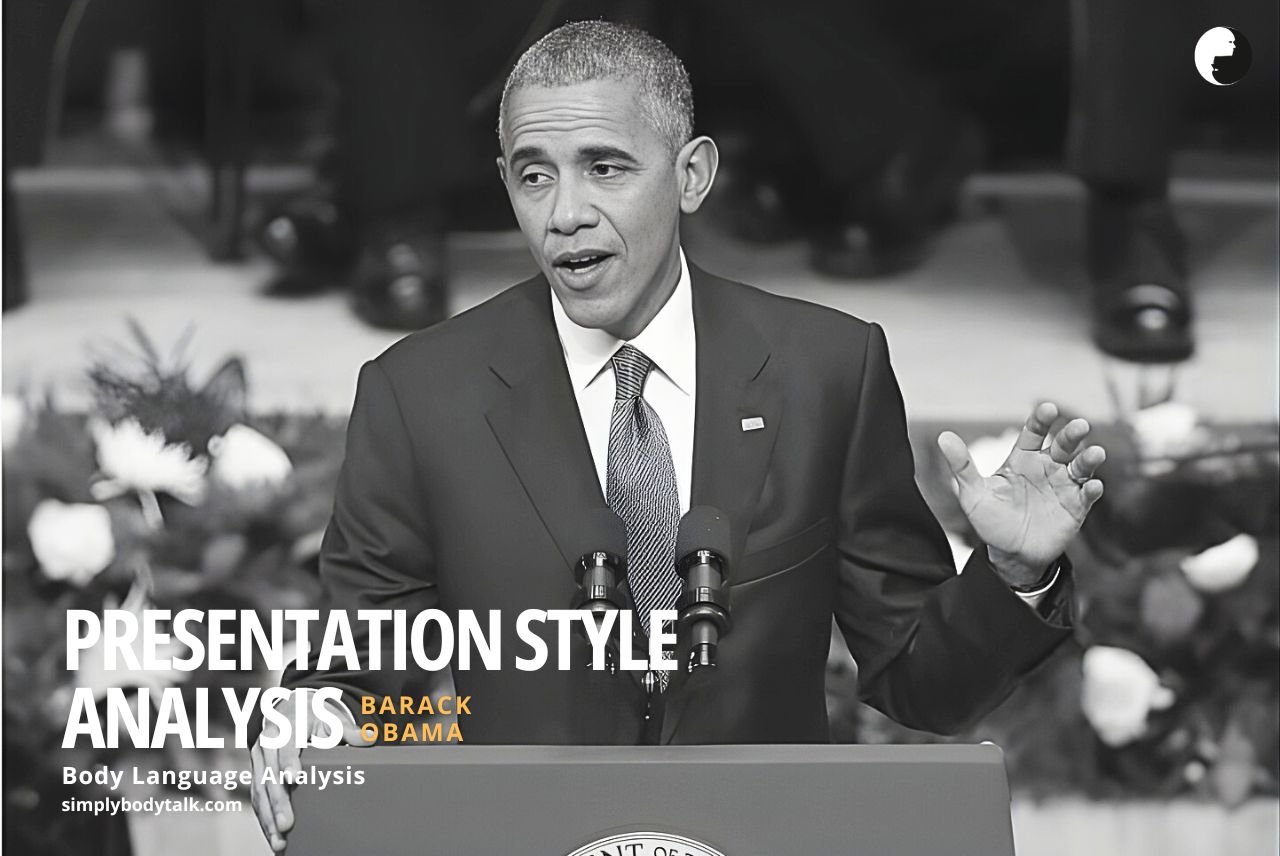
The style in which Barack Obama gave his parting speech as the President of the U.S.A. in 2017 was way different than the one he gave as Senator, as the keynote address before DNC in 2004 – the one that is supposed to have made him noticed as a promising Presidential candidate. And yet each speech had its own impact on the audiences present. How were these speeches different as far as body language and nonverbals go, and why did they leave an impact? Here is our analysis:
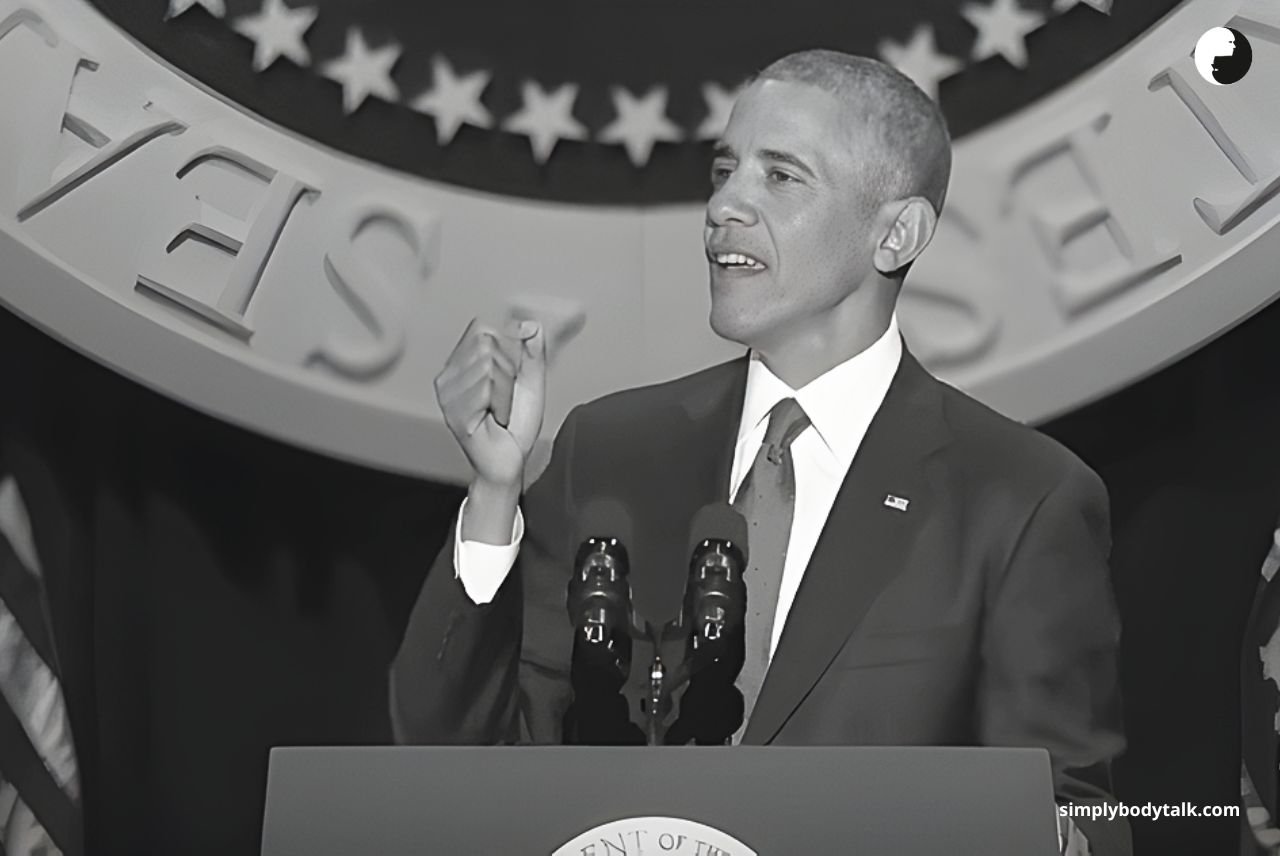
SUIT COLOR:
The color of the suit makes up our first observation since the impact any leader starts to create on his audience begins the minute he is visible. In 2004, we see Senator Obama in a black suit, one that signifies power and authority. As President addressing the nation, his favourite had remained the deep navy blue color, one that inspires people to want to trust the leader, and navy blue is the suit he wears during his last speech.
(Note that as President, whenever Obama visited international grounds where he wanted to make a powerful impact, he would be seen in the black suit.)
The communication of a leader’s intention often begins visually, even before a single word is spoken. Leaders carefully consider the body language implications of their attire to align with the message they wish to convey, making it a vital part of building their image for career success.
WALKING STYLE:
How one walks up to the dias is another manner of leaving a good first impression. As a candidate who wants to impress, in 2004, Senator Obama walks directly up to the stage, waving briefly around, greets his introducer with a warm hug and approaches the dias. As President, people would expect him to give them some attention which is what we see him doing. Obama takes good time to reach the dias, pausing time and again to wave to his audience. The pace of walking is much slower, you could say it borders on the side of hesitant. It is almost as if he is signalling that he would rather not begin his last speech.These subtle shifts in body language reflect the transition in his role and the emotional context of each moment. Such conscious adjustments in nonverbals can significantly enhance one’s career trajectory by projecting a carefully cultivated image of confidence and relatability.
GREETING THE AUDIENCE:
For leaders who have a good audience to speak before, there are numerous nonverbals which play a role. We see the Senator paying respect to the audience by bowing down in front of them. In contrast, the President waves around to the audience, and more importantly, looks a few individuals directly into the eye while waving at them. This direct eye to eye contact helps leave a lasting first impression on the crowd.
Whether it is for a public speech or a business presentation, establishing strong communication with your audience is vital for success. Eye contact, in particular, is a powerful tool in body language that conveys trust and sincerity, making it easier to connect with others.
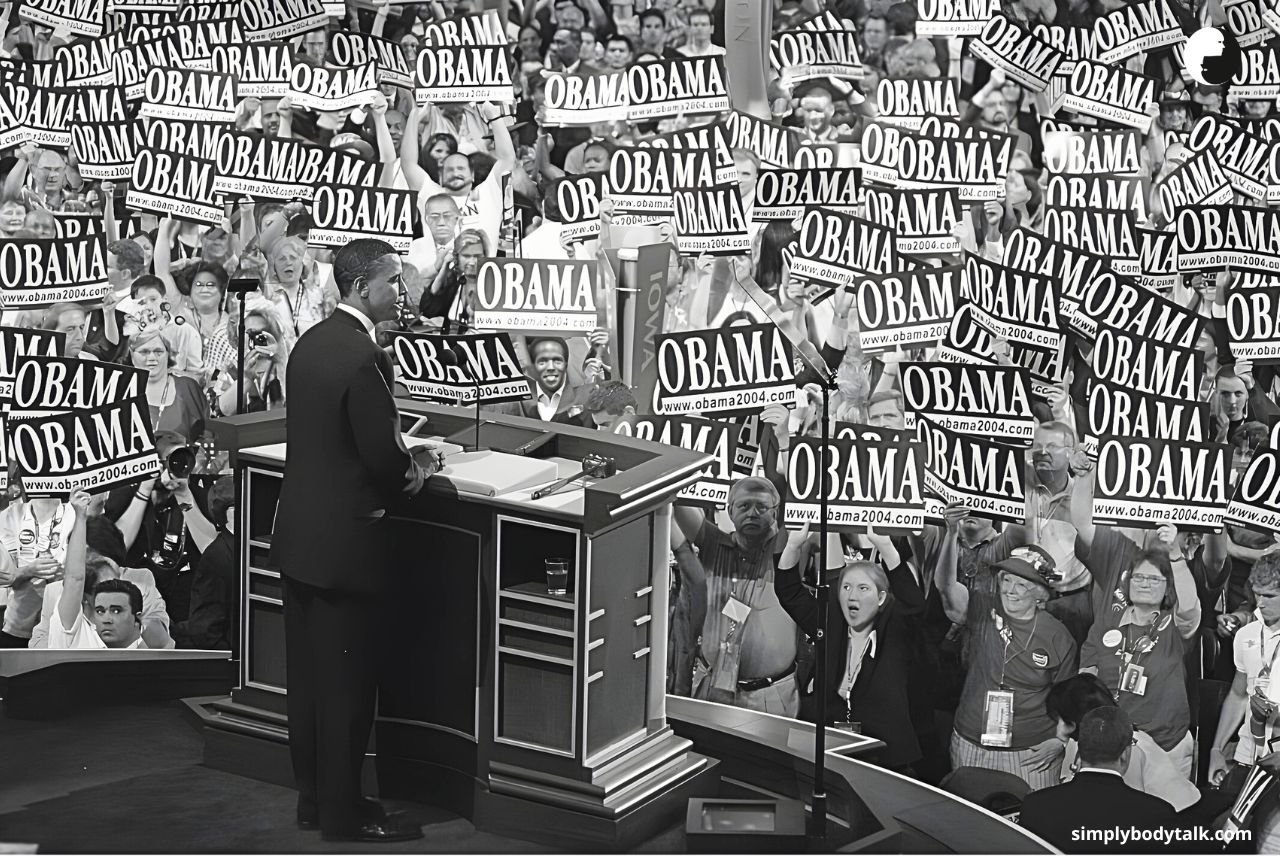
Senator Obama in 2004
BEGINNING THE SPEECH:
Once behind the Dias, Senator Obama did give the audience enough time to cheer him up before beginning his speech. As President, once he is at the dias, Obama does not pause for cheering before he begins. Again a sign of a leader not feeling the need for deliberate cheer from the audience.
Till here, we have covered nonverbals before the speech even begins, and there are so many!
where we will be splitting down the speeches frame by frame and analyzing with you on how each nonverbal can play a significant role in your speech or even a business presentation.
One question that might be playing out here is, don’t these nonverbals come very naturally, at the moment, depending on the emotion one is feeling. They do! But even then, when stakes are high, or when the content of what you are going to deliver is very crucial, it makes great leadership sense to plan in advance what should be the overall tone and style of your delivery, so that your audience receives it well. And that is where we want to work with you! Mastering nonverbals is key to career growth, as effective communication can pave the way for success in critical situations. And that is where we want to work with you!
This lock down period, get exciting offers on our webinars to know more visit link here
HOW WE CAN HELP
As a leader, how you speak in a room and how you hold that room determines how seriously your ideas are taken. Presence, delivery, and the ability to command attention are skills that can be built, and that’s exactly what we help you do.
At Simply Body Talk, we work with professionals through personalised one-on-one coaching to sharpen public speaking, refine presentation style, and help you show up with confidence in every high-stakes moment whether it’s a board pitch, a keynote, or a difficult client conversation.
Prefer to learn at your own pace? Our presentation skills course bundle is now available on eClass structured modules you can work through anytime, anywhere.
If you’re ready to make every word count, book a consultation or reach out directly on +91 99309 41534.
FAQs
How did Obama's nonverbal communication shape audience perception before he began speaking?
Before speaking, Obama often projected calm confidence through his posture, facial expressions, and presence. These early signals helped audiences see him as composed, approachable, and authoritative.
Why did Obama's presentation style evolve throughout his leadership journey?
As his roles and responsibilities changed, Obama adjusted his communication style to suit different audiences and situations. His nonverbal behaviour often reflected greater confidence, authority, and emotional awareness over time.
How did Obama's use of eye contact strengthen his leadership image?
Obama frequently used eye contact to connect with individuals across the audience. This created a sense of engagement, authenticity, and trust during his speeches.
What did Obama's walking style and stage presence communicate during presentations?
Obama’s measured pace and controlled movements often conveyed confidence and purpose. The way he approached the stage and acknowledged the audience helped set the tone for his message.
Did Obama appear to prepare his nonverbal communication for major speeches?
His body language often appeared aligned with the message he wanted to deliver. From posture to gestures, his presentation style reflected deliberate communication choices that reinforced his leadership presence.