


Unveiling G20 ESWG Leader’s Body Language: Insights for Environmental Sustainability
The G20 Third Environment and Climate Sustainability Working Group plays a pivotal role in addressing pressing environmental and climate challenges. Analyzing the body language of world leaders participating in this working group provides valuable insights into their commitment, engagement, and diplomatic dynamics, extending beyond policy discussions. In this article, we will explore the body language of leaders at the G20 Third Environment and Climate Sustainability Working Group. Our analysis offers an easy-to-read breakdown that sheds light on their non-verbal cues and underlying messages, allowing us to uncover a wealth of information that is often hidden beneath the surface.
1. ENGAGED LISTENING AND ACTIVE PARTICIPATION
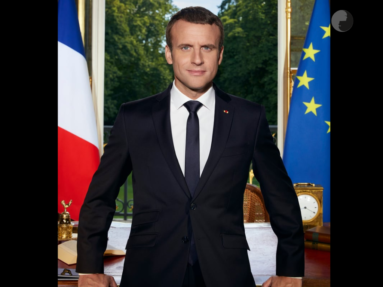
The President of France, Emmanuel Macron, has been an active and influential participant in recent G20 summits. Known for his confident and assertive demeanor,. He actively listens to others by maintaining eye contact, nodding, and using affirmative gestures. He maintains an upright posture, uses purposeful hand gestures, and establishes strong eye contact, signaling conviction and leadership.
Some other ways in which leaders show active participation is as follows
- Observing leaders’ body language during discussions and meetings
- Analyzing indicators of engaged listening, such as maintaining eye contact, nodding in agreement, and leaning forward
- Identifying leaders who exhibit open and receptive body language, actively participating in the dialogue
2. EXPRESSIONS OF CONVICTION AND PASSION:
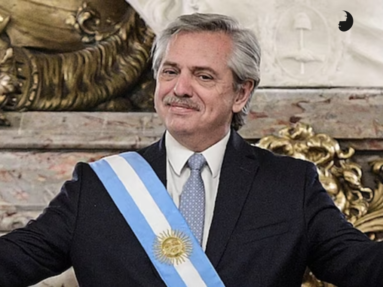
Alberto Fernández the president of Argentina is known for taking effective pauses while interacting with people. He is also known for showing passion through his body language by using effective gestures
- Analyzing leaders’ facial expressions and gestures when addressing environmental and climate-related challenges
- Identifying signs of conviction, passion, and emotional investment in their words and body language
- Discussing how leaders’ non-verbal cues can inspire and mobilize collective action
3. DEMONSTRATING AUTHENTICITY AND EMPATHY:
As the Prime Minister of Canada, Justin Trudeau has been an active participant in recent G20 summits. Known for his charismatic and inclusive approach, his body language often reflects warmth and engagement. He often uses open hand gestures, maintains eye contact, and adopts an approachable posture, signaling a desire for collaboration and dialogue.

Want to know what other ways leaders use body language for demonstrating empathy, here are few pointers
- Evaluating leaders’ non-verbal cues to assess their authenticity and empathy towards the challenges faced
- Analyzing facial expressions, hand movements, and body language that convey sincerity and emotional connection
- Discussing how leaders’ non-verbal cues can foster trust and empathy among participants
4. POWER DYNAMICS AND HIERARCHIES:
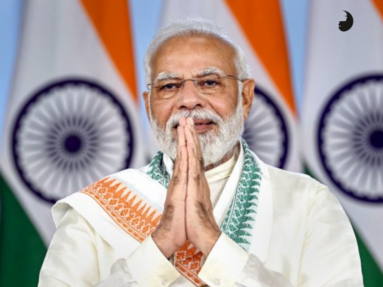
The Prime Minister of India, Narendra Modi, has been an active participant in recent G20 summits. His body language often exudes confidence and assertiveness. He utilizes expressive hand gestures, maintains direct eye contact, and adopts a commanding presence, signaling strong leadership and representing India’s interests.
Some other ways in which you can spot power dynamics in leaders are
- Observing body language cues that reveal power dynamics and hierarchies among leaders
- Analyzing posture, seating arrangements, and non-verbal interactions that signify leadership roles and influence
- Highlighting instances where non-verbal cues reinforce or challenge traditional power dynamics
5. NON-VERBAL DIPLOMACY AND NEGOTIATION:
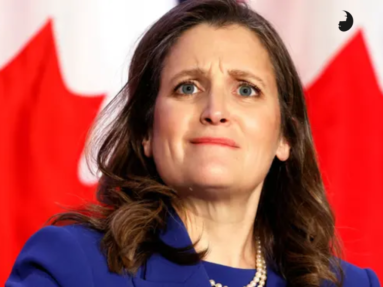
Some other ways in which leaders use body language especially during negotiations are
- Assessing leaders’ non-verbal cues during negotiations and diplomatic discussions
- Analyzing body language signals of cooperation, assertiveness, or compromise
- Discussing how non-verbal cues can enhance or hinder diplomatic outcomes in the context of environmental and climate sustainability
CONCLUSION
The body language of leaders at the G20 Third Environment and Climate Sustainability Working Group offers valuable insights into their commitment, engagement, and diplomatic dynamics. By analyzing non-verbal cues such as engaged listening, expressions of conviction, unity signaling, authenticity, and power dynamics, we can gain a deeper understanding of the leaders’ dedication to environmental and climate sustainability. These non-verbal cues have the power to inspire collective action, foster collaboration, and shape the outcomes of the G20 working group’s efforts towards a more sustainable future.
HOW WE CAN HELP
Enhance your teaching impact with our tailored programs focused on improving non-verbal communication. Learn to build stronger connections with students, manage classrooms effectively, and boost student engagement. If you are looking to upgrade your body language skills, check out our online pre recorded courses on various topics that come with lifetime access. You can also explore our Signature Body Language Personal Coaching program Reach out to us on – +9199309 41534.
FAQ’s
How does body language reveal a leader’s level of engagement in strategic discussions?
Engagement is most consistently reflected through sustained eye contact, forward-leaning posture, and responsive micro-gestures such as nodding or timing of pauses. These cues indicate cognitive presence rather than passive attendance. Leaders who listen with their bodies tend to exert greater influence over outcomes.
Why is nonverbal conviction often more persuasive than verbal certainty?
Conviction expressed through congruent gestures, facial tension, and controlled movement is harder to perform artificially. When verbal statements align with nonverbal signals, credibility increases. Inconsistencies, however subtle, are often registered unconsciously by others.
What role does empathy play in leadership body language?
Empathy is communicated through openness relaxed shoulders, visible palms, and adaptive facial responses. These behaviours signal psychological safety and attentiveness. In leadership contexts, this often determines whether collaboration deepens or stalls.
How can power dynamics be identified through nonverbal behaviour?
Power often appears in spatial control, posture height, and ease of movement rather than overt dominance. Leaders who occupy space comfortably and maintain steady eye contact typically signal authority. Conversely, rigidity or over-assertion may indicate insecurity rather than strength.
Why is nonverbal awareness critical during negotiation and diplomacy?
Negotiations are shaped as much by silent signals as by spoken terms. Shifts in posture, gesture restraint, or facial engagement often precede verbal concessions or resistance. Leaders who read these signals accurately gain strategic timing advantages.