

Keeping Culture Alive in Hybrid and Remote Teams

With the shift toward hybrid and remote work, maintaining a vibrant and cohesive organizational culture has become an essential challenge for leaders. Without the daily interactions that naturally reinforce shared values and behaviors, remote and hybrid teams risk losing a sense of belonging and alignment. Here’s how your organization can keep culture alive, thriving, and…

Step-by-Step: Creating a Culture Blueprint for Your Organization

A powerful organizational culture isn’t accidental; it’s intentionally designed, meticulously shaped, and thoughtfully nurtured. But how exactly can you create a clear and actionable blueprint for your organization’s culture? Here’s a practical, step-by-step guide to developing a robust culture blueprint that genuinely reflects your company’s values and aspirations. Step 1: Define Your Core Values Your…

Designing a Behavioural Assessment for a Pharma Giant

A behavioural assessment is a structured approach used to evaluate how individuals act, communicate, and respond in professional situations. In leadership contexts, it helps determine whether an individual is behaviorally ready to transition from an Individual Contributor to a Manager by analyzing real-time interaction patterns, decision-making, and influence. Quick Answer: Behavioural assessment for leadership evaluates…

Driving Engagement in Performance Review Conversations for a Large Employee Group

Driving engagement in performance review conversations requires shifting from passive discussions to interactive, practice-based sessions. When employees are actively involved through real-time questions, role plays, and participation, they gain clarity, respond better to feedback, and contribute more meaningfully to review conversations. Quick Answer: Performance review engagement improves when sessions focus on participation, real-life practice, and…

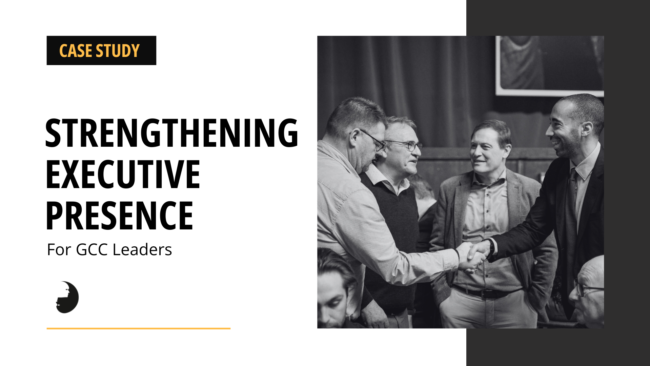
Strengthening Executive Presence for GCC Leaders

Executive presence for leaders is strengthened by improving how they communicate, structure their thinking, and use body language in high-stakes situations. When leaders align clarity, credibility, and nonverbal communication, they are better able to influence global stakeholders and lead with confidence. Quick Answer: Executive presence improves when leaders combine structured communication, body language for leadership…

Body Language for Actors – Train the Trainer Program

This case study documents our work with an award-winning actor and producer from the Marathi film and theatre industry, who underwent the Train the Trainer – Body Language Certification through Simply Body Talk with the objective of building expertise in body language for acting and performance training. Introduction: Client Background and Why the Certification With…

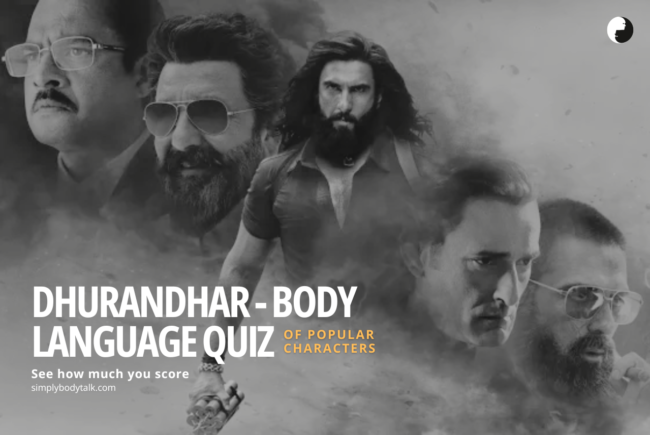
Dhurandhar, Underdogs and Real Influence

Dhurandhar, Underdogs and Real Influence

     Dhurandhar, Underdogs and Real Influence  SummaryInfluence in leadership is rarely located where attention gathers; it sits where decisions quietly consolidate. The most consequential actors in a room are frequently those whose presence causes others to calibrate their judgement rather than commands it. Your strategic advantage comes from observing not who dominates the space,…