



HR Head, Fujifilm discuses How cross-cultural teams Communicate
MEET OUR NONVERBAL CHAMPION MR.NAVNEET AHLUWALIA
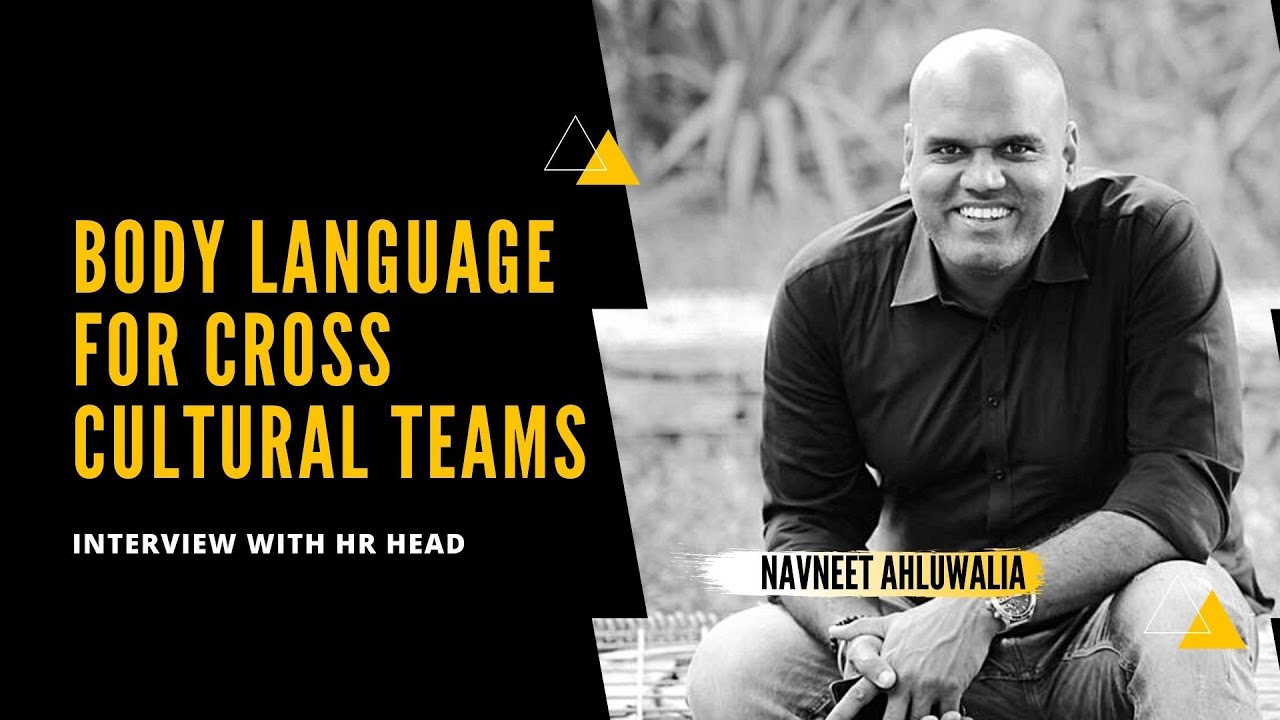
Watch our video where Mr. Nvaneet Ahuwalia discusses very interesting body language tips on:
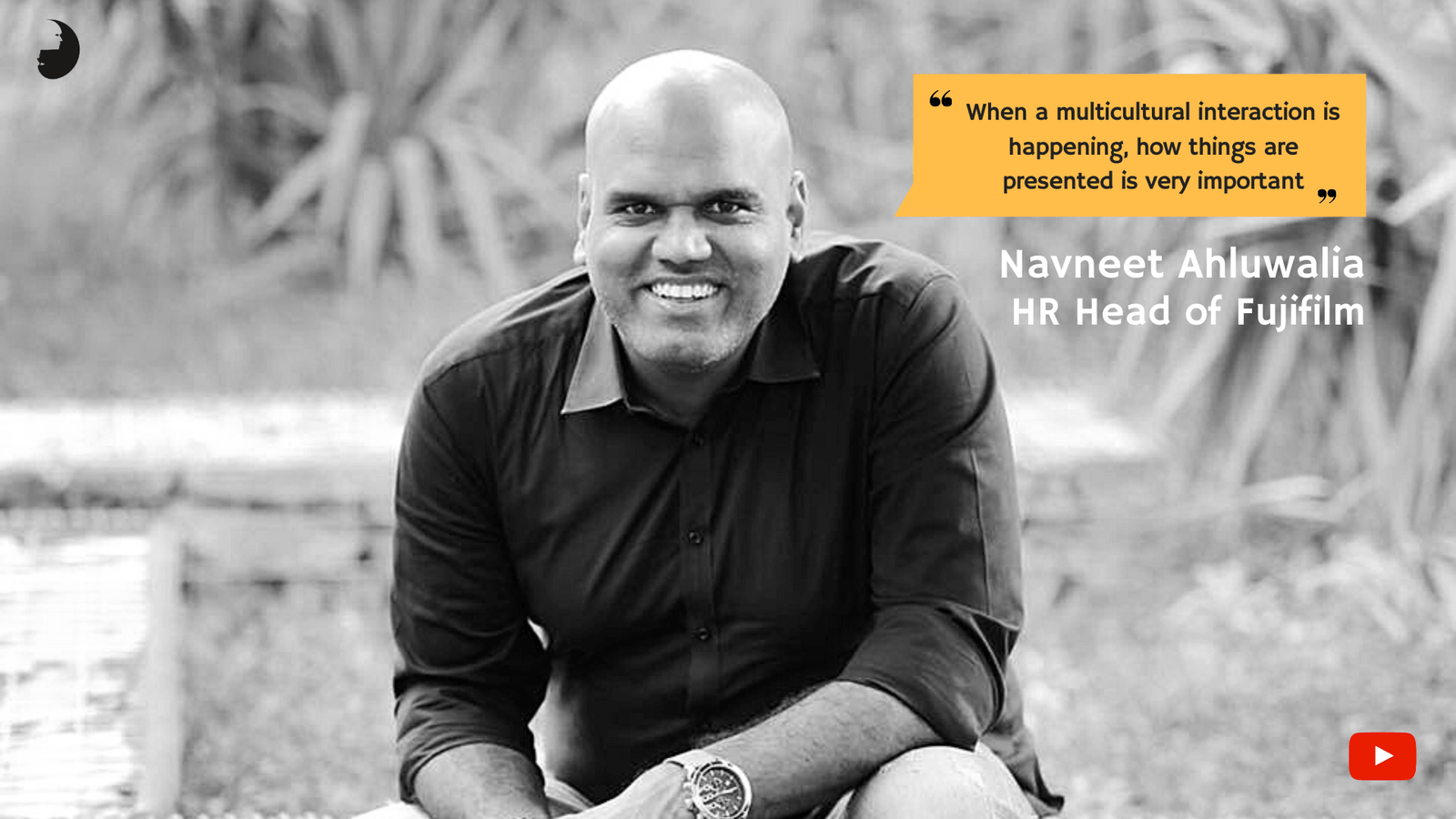
ABOUT NAVNEET AHLUWALIA
Great conversation and amazing insights shared by Mr. Nvaneet Ahuwalia on how an organization can benefit from nonverbal communication. It is great to learn from an individual such as yourself who maintains high standards of nonverbal communication.
VIEW INTERVIEW VIDEO
ABOUT INTERVIEW SERIES
Simply Body Talk salutes experts who understand the essence of nonverbal communication in taking their professional expertise to a different level. Watch more Expert interviews here
HOW WE CAN HELP
Enhance your teaching impact with our tailored programs focused on improving non-verbal communication. Learn to build stronger connections with students, manage classrooms effectively, and boost student engagement. If you are looking to upgrade your body language skills, check out our online pre recorded courses on various topics that come with lifetime access. You can also explore our Signature Body Language Personal Coaching program Reach out to us on – 99309 41534.
FAQs
How does nonverbal communication differ in cross-cultural teams?
Nonverbal signals like eye contact, silence, personal space, and gestures can mean different things in different cultures. If leaders misunderstand these signals, it can affect trust and communication. Good leaders observe people’s behaviour instead of making quick assumptions.
Why is behavioural intelligence important for senior leaders managing diverse teams?
Senior leaders influence people through their actions and behaviour, not just their words. Behavioural intelligence helps them notice signs like hesitation, disengagement, or resistance before these become bigger problems.
Can good verbal communication make up for poor nonverbal communication?
Not always. People often pay more attention to a leader’s body language than their words. If what a leader says doesn’t match how they behave, people may lose trust in them.
What nonverbal behaviours have the biggest impact on leadership credibility in multicultural teams?
Good posture, calm facial expressions, using silence wisely, and respecting cultural differences in gestures all matter. These behaviours help leaders earn trust and respect across different cultures.
How should HR leaders assess nonverbal communication skills in leadership roles?
HR should look beyond presentation skills. They should observe how leaders listen, manage their emotions, and adjust their behaviour in different situations. Strong nonverbal communication is shown in everyday interactions, not just during formal presentations.