



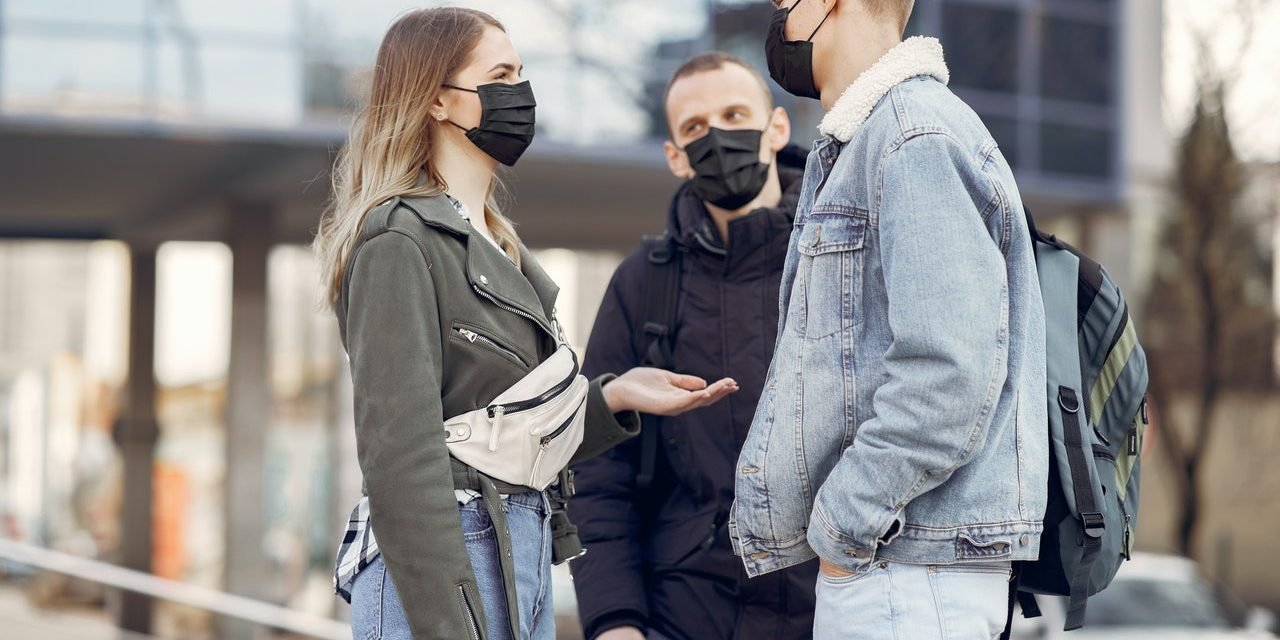
We are constantly hearing that communication may not be the same all thanks to the mask that we are wearing as we won’t be able to understand what is the person’s body language is signalling to us. But is it really so? Take a look at the following images nd see their reactions aren’t their body language telling you anything?

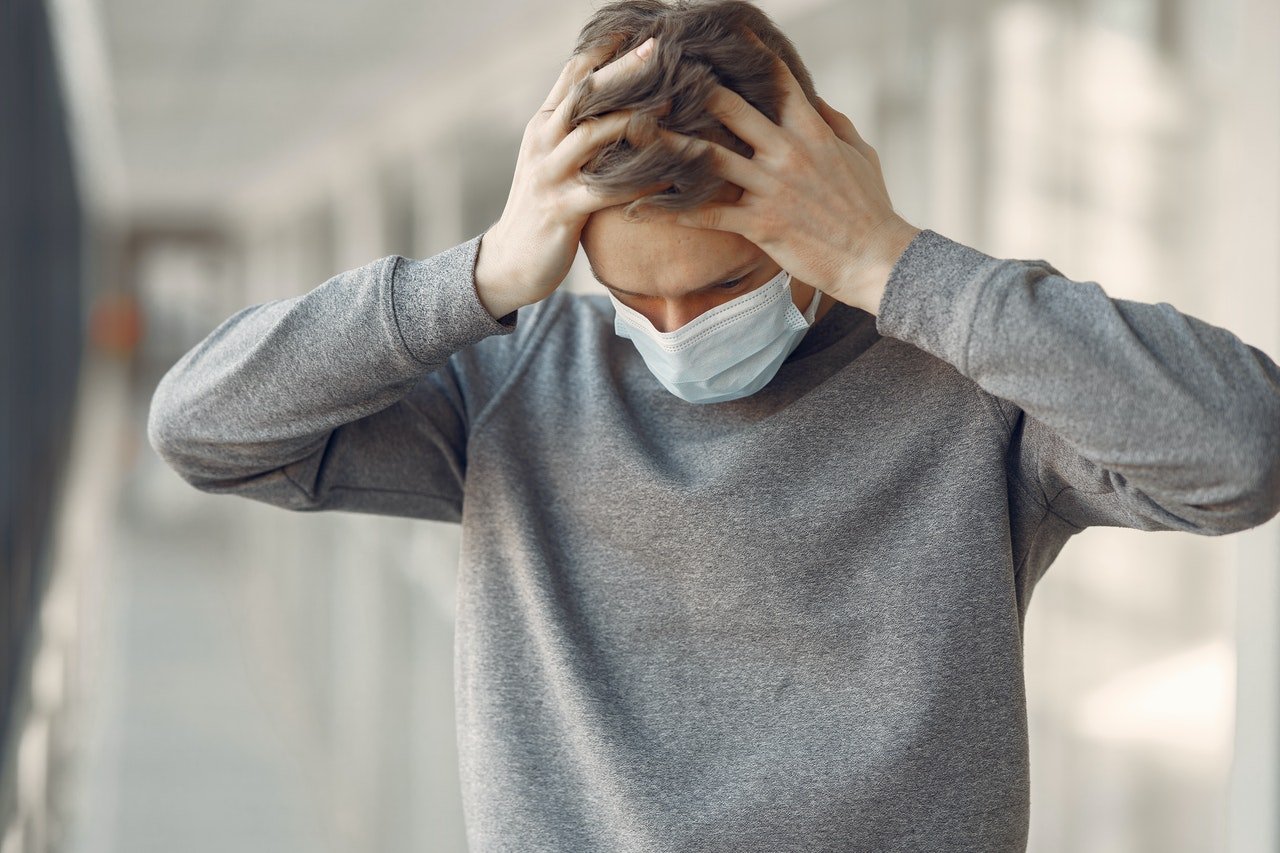
Before the COVID19 pandemic, we associated masks with parties or a persona which people wanted to show everyone. But right now the purpose of wearing the mask has moved to a necessity.
Post the lockdown, as things are getting slowly to back to normal and we are heading back to our workplace how would communication be different, will there be any communication through our faces, can we interpret the body language shown by people behind masks?
Well, here are a few things to keep in mind when it comes to understanding what people around you, who are all wearing masks, are thinking or feeling:
- If you are feeling uneasy that you would no longer be able to understand what someone’s face is telling you through facial expressions, while we won’t be able to see the full face, that does not mean we need to panic. Only part of the face is covered – you can focus more intensely at the rest of the face and see how eyebrows, the forehead, the area around the eyes, all play a role in understanding the basic emotions that we humans feel.
- While greeting colleagues and clients at work, most of us use the social smile, unless we are genuinely very happy or excited. The face mask would make this social smile difficult to read. So be sure to word out your pleasure when you meet people. Or use other nonverbal greetings like the eyebrow raise or the bow or namaste, depending on how formal is the greeting.
- The facial expressions play a crucial role in being able to read people’s body language, but that’s not the only thing we focus on, when we read people. The rest of the body also communicates a lot of meanings. Like how much personal space makes your colleague feel comfortable, how people turn their body or part of it towards you while speaking, what repetitive movements they make and so on.
- When we are uncomfortable, most of us have a tendency to touch ourselves to feel better. If any of your colleagues had a typical tendency to touch their beard or face to feel better, this action might now be missing. We would all be very conscious of not brining the hands close to the face, in order to not catch infection. So what other action is your colleague doing when feeling nervous or anxious? You might need to take new notes here!
Here is the question everyone is asking – is the role of body language going to decrease? Will we necessarily have to become more verbal since we cannot read each other. Well, now you know we read people not just through the face but the entire body. And a few months of precautions cannot change a slow process of evolution. So we are certain body language is going nowhere, at least not till humans find the necessity to interact and survive as a social species.